By Shane Staten, Guest Blogger
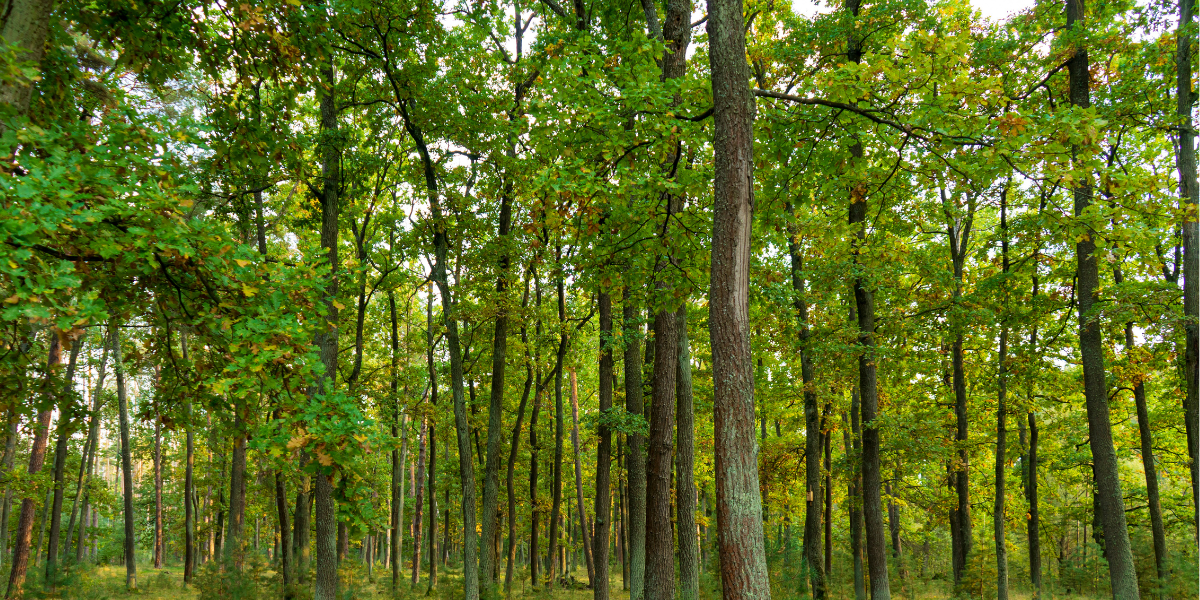
Trees are incredibly important to the natural world and our built environments, but they also play a critical part in our emotional lives. The ecological benefits of trees to people are well known: they clean our air and water which decreases rates of asthma, bronchitis, and other illnesses that are caused or worsened by air pollution. Trees also reduce flooding by intercepting rainfall, taking up water from the ground, and from slowing floodwaters. Additionally, trees help lessen climate change by sequestering carbon as they grow.
But our community forests also give us several intangible benefits such as providing shade that keeps us cool and lowers our electrical bills, raising property values, reducing stress and depression, and encouraging exercise. Our trees also give a sense of place to our neighborhoods that’s essential to the feel of a city. There is a feeling of stability and resilience that a beautiful mature tree canopy provides that is priceless to the spirit of any town.
Many books have been written about the psychological benefits of being in nature, and just the sight of trees has been found to reduce blood pressure and decrease stress which can have many secondary benefits. The sound-absorbing capacity of trees makes neighborhoods quieter, further decreasing stress and discomfort. Additionally, streets with trees are associated with slower driving speeds, less aggression, and lower crime rates, even in urban environments.
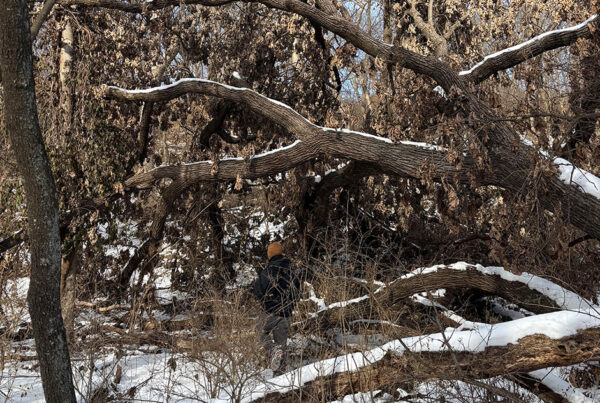
Trees also bring much beauty into our lives. They produce wonderful flowers in spring and fantastic fall colors. Even in winter, they can be inspiring with branches draped in snow or glittering with reflecting sunlight when they are covered in ice. And because they are homes to so many kinds of wildlife, trees make it much more likely that you’ll see colorful birds and insects making our neighborhoods come alive with activity and beauty.
Trees can also help with grief. When we are troubled by the loss of a loved one or are just feeling down, we feel better when we’re surrounded by green leaves and the buzz of life around us. I truly think that being in nature can bring us comfort, a connection with the wider world, and even solace during hard times. Being surrounded by living things and not just the cold concrete, metal, and plastic of our modern world can be healing.
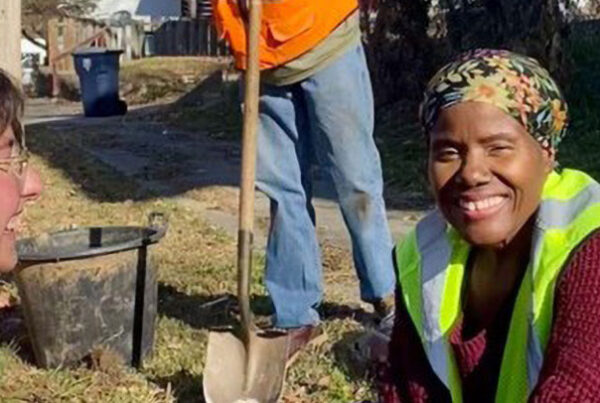
But it’s in the planting of trees where there is even more emotional impact. This can come from planting trees in honor of loved ones who have passed, or to celebrate major life events like the birth of a child, a wedding, or moving into a new house. Planting a tree is an investment in the future and we can observe the growth of trees that we’ve put in the ground as a measure of the passage of time. Because of this, trees are symbols of growth and new starts and eventually of stability and resilience. Trees also provide habitat for many kinds of wildlife as they grow, serving as a sign of nurturing and support. And because their lifespans can extend long past our own, they can also be a part of our legacy.
I hope that you will plant a tree in your neighborhood soon. It will connect you to the future, to nature, and to each other.
______________________________________________________________________________
Shane Staten is a restoration ecologist who has designed and managed more than 3,000 acres of restored forests, prairies, wetlands, and streams. His experience restoring native habitats has convinced him that people’s connection to nature can be a great comfort in times of sadness or stress. He manages Remembrance Forest, a forest restoration project that brings people comfort and connection during hard times through memorial tree plantings and a way to honor life’s special events through celebration tree plantings.
Learn more about trees in general and the work of our Heartland Tree Alliance program.